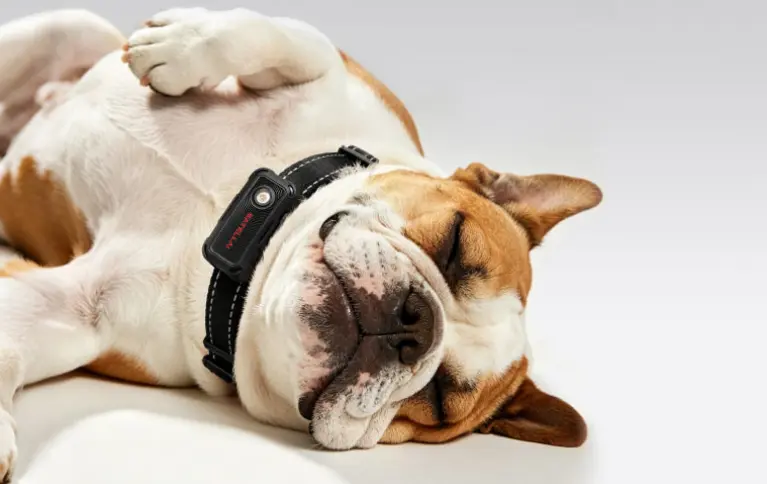



It’s hour six of the drive. Your dog is shivering in the back seat, you’ve just pulled into a gas station, and the leash and the warm winter coat are packed in a box on the moving truck, three states behind you. A long-distance move with a dog rarely goes wrong because of something big. It goes wrong because small things end up in the wrong place. So let’s pack the kit the way the trip unfolds, hour by hour.
Pack in Three Layers for a Long-Distance Move with a Dog
Most people pack one big dog bag and toss it in the trunk. By day two, everything you need has sunk to the bottom of it, and you’re digging through kibble in a parking lot while your dog tries to greet a stranger’s poodle. The fix is to split the kit into three smaller bags, each packed for a specific moment of the trip. Here are some pet-friendly moving tips that will make a long-distance drive much easier:
- Keep a road pouch within reach
- Pack a separate bag for motel nights
- Set aside a box for the first three days
Keep a Road Pouch Within Reach
This small pouch sits by your feet or in the door pocket, and it holds the road trip essentials for dogs you’ll grab without thinking. Inside go a spare slip lead, poop bags, a collapsible bowl and a small towel. If your route crosses winter roads, pack paw balm or a pair of snow boots for dogs too, because de-icing salt stings. A few paw wipes finish the job at every stop.
Then make yourself one rule: the leash goes on before any car door opens. A gas station is one of the easiest places to lose a dog, with all that noise and traffic.
Tape a label to the crate with your dog’s name, your phone number and the words “please don’t let out.” If something happens on the road, whoever opens that crate will know what to do.
Pack a Separate Bag for Motel Nights
This bag comes into the motel room with you, and nothing else needs to. Pack an old sheet to throw over the bed or carpet, a bottle of enzyme cleaner for accidents, and that night’s dinner already portioned into a bag. Measuring kibble on a motel floor at 10 p.m. is nobody’s idea of fun.
Hallway sounds are the other problem. Doors slam, suitcases roll past, and a dog who has spent all day in a car may answer every one of them. A small fan or a white-noise app on your phone covers most of it.
One more thing: book pet-friendly motels ahead and print each one’s pet-policy confirmation. The person at the front desk at midnight may not know about it, and a piece of paper settles the conversation quickly.
Set Aside a Box for the First Three Days
This box rides in your car, not on the truck, even though it feels like something the movers could take. On unloading day the truck may be hours behind you, and your dog needs a home base the minute you walk in.
Put the crate together first, before a single box comes inside. Then set up a baby gate so your dog stays in one quiet room while the front door keeps opening and closing. A lick mat or a chew you froze the night before will keep them busy for a while.
Add a small flashlight and a reflective leash, too. The first night walk happens on streets you don’t know yet, and you’ll want to see where you’re stepping. Once you’re settled, look up dog parks near your new home so your dog can burn off some of that travel energy.
Paperwork and “Lost Dog” Protection Before You Leave
Moving cross-country with a dog means passing through places where nobody knows you or your pet. If your dog slips away in a strange town, the microchip is what brings them back, but only if it points to a phone that still rings. Update the registry with your new address and cell number before you leave, and add a cheap temporary tag with your number to the collar.
Your new state may also have its own entry rules, and the USDA links to the pet requirements for each state, which are worth checking with your vet a few weeks out. Some states ask for a health certificate, which takes time to arrange.
After that, prepare a few things on paper and on your phone:
- printed vaccination records, since some motels and campgrounds ask for them
- a recent photo of you and your dog together, to help prove the dog is yours
- two vet numbers, one at the halfway point and one near your new home
- your pet insurance details, in case your dog needs care on the road
Pack Things That Smell Like Home
Don’t wash your dog’s bed before the move. It may not smell great to you, but to your dog it smells like the old house, and that’s exactly the point. Toss in a T-shirt you’ve worn, too.
Bring jugs of water from your old tap and stick to the usual food, especially if your dog already eats a food for sensitive stomachs at home. Portion it into bags labeled with the day and the city where you’ll stop, so feeding time takes ten seconds. On a long-distance move with a dog, the view changes every few hours. The smell of the bowl and the bed shouldn’t.
What to Leave Out of the Dog Travel Kit
Packing light matters more than you’d think, because you’ll often use this kit with one hand while your dog pulls on the other. A few things are better left at home or in the truck:
- a retractable leash, which gives you too little control in a busy parking lot
- a new brand of food, even a better one
- brand-new toys, which are worth saving for the first evening in the new house
- a giant bag of treats, since it’s easy to overdo them when your dog seems anxious
A smaller dog travel kit is simply easier to use.
Test the Kit Before the Truck Arrives
A week or two before the move, pack all three layers and drive for two hours with your dog. You’ll find out what’s missing, and whether your dog gets carsick, which is worth a quick talk with your vet. If the pouch was out of reach or the overnight bag was too heavy, you still have time to fix it. It’s much better to learn that on a quiet Sunday than at a rest stop on day two.
Pack Today, and Your Dog Sleeps Easy on the First Night
A long-distance move with a dog gets easier when the kit follows the trip. The pouch handles the road, the overnight bag handles the motel, and the box handles the first days in a new place. Add updated microchip details, a few familiar things that smell like home, and one honest test drive. Then picture the first quiet evening after the move: boxes everywhere, takeout on the floor, and your dog fast asleep on that unwashed bed, already feeling at home.