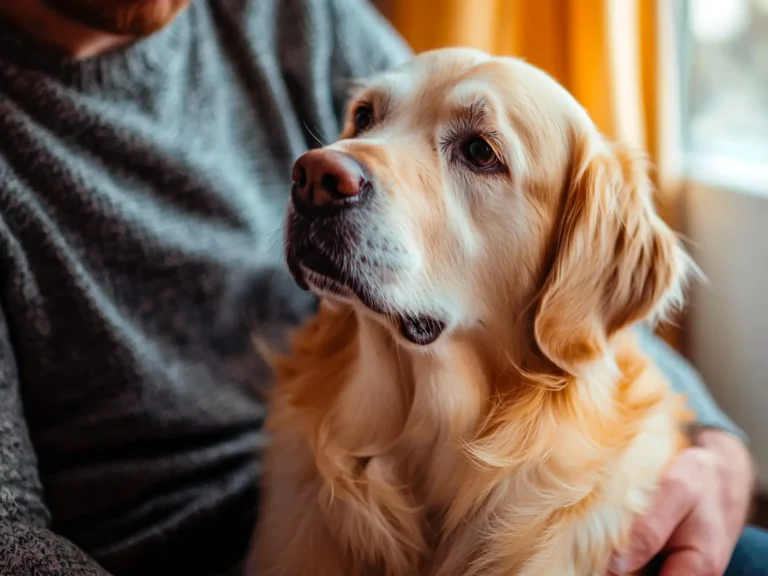



Every dog owner has wondered it at some point. Does my dog actually see me as the alpha? Maybe your pup listens perfectly one moment and ignores you the next. Or perhaps you have heard about pack leadership and want to understand what it really means for your relationship.
Understanding the signs your dog sees you as the alpha is not about control or intimidation. It is about trust, clarity, and calm guidance. When your dog views you as the pack leader, they feel secure, follow your direction naturally, and respect boundaries without fear.
“Real leadership is not about dominance. It is about calm confidence that makes your dog feel safe.”
In this guide you will learn the 15 most reliable signs your dog sees you as the leader, what it means when they do not, and how modern training methods redefine the old alpha concept. These insights will help you build a confident and cooperative bond based on respect rather than dominance.
What “Alpha” Really Means Today
For many years, dog owners were told they had to act dominant to earn respect. This idea came from early wolf-pack studies that suggested every group had a single alpha who led through force. But those studies were misunderstood. Wildlife biologist Dr. David Mech, whose work originally popularized the “alpha wolf” idea, later clarified that wolves in the wild actually live in family groups led by parents, not through dominance. As Mech himself explained, the original alpha concept was “based on misconception” and has since been discredited.
Today, modern canine experts agree that leadership has nothing to do with intimidation. Instead, it is about calm communication, clarity, and consistency. The American Veterinary Society of Animal Behavior (AVSAB) emphasizes that dog owners should aim for “leadership by showing a good example, not dominance”, a view that reflects decades of updated science and experience.
When your dog sees you as the pack leader, it simply means they trust your signals. You set routines, give clear guidance, and stay steady in your reactions. Dogs thrive when they know what to expect. Unclear rules or emotional outbursts make them anxious and unsure of their role.
Real leadership is quiet confidence. You decide when walks begin, when play starts and ends, and who moves through doorways first. You reward cooperation and redirect gently when needed. This balance creates genuine respect. A dog who follows your lead does it because they feel safe with you, not because they are afraid of you.
Signs Your Dog Sees You as the Alpha (or Does Not Yet)
Dogs watch everything you do. They study your tone, your movements, even how you breathe when something unexpected happens. From these small cues, they decide whether you are the one leading the way or whether they need to step in and take charge. When your dog truly sees you as the alpha or pack leader, they relax and trust your guidance. If they are uncertain about your role, their behavior becomes inconsistent or anxious. These are the clearest signs that reveal how your dog perceives you.
1. Your Dog Follows You Calmly and Willingly
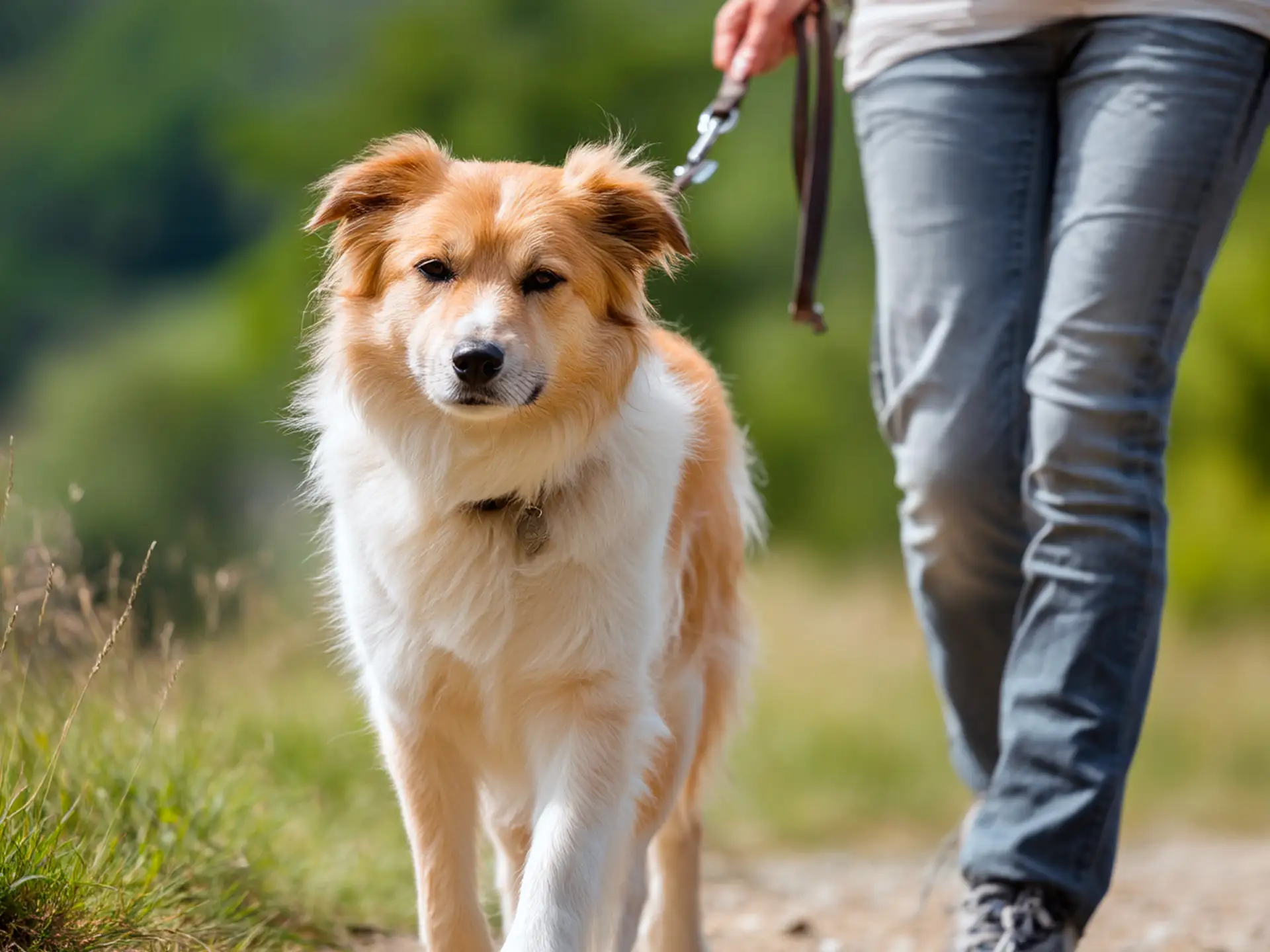
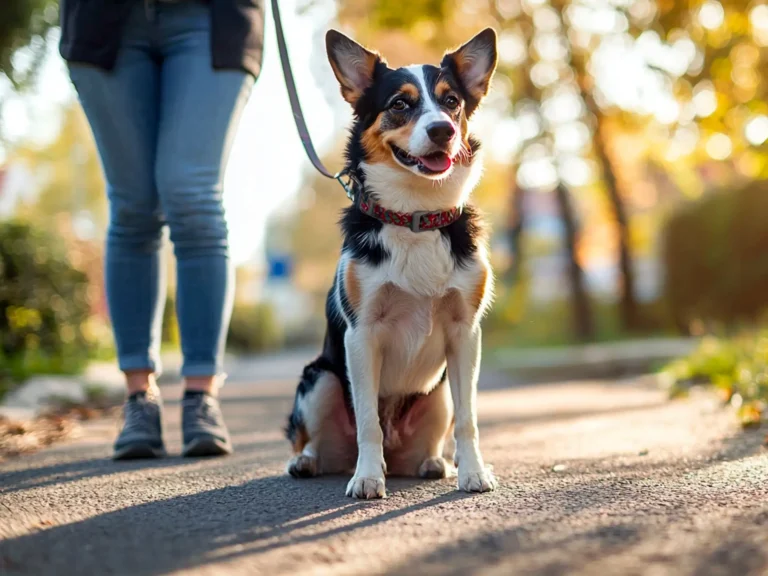
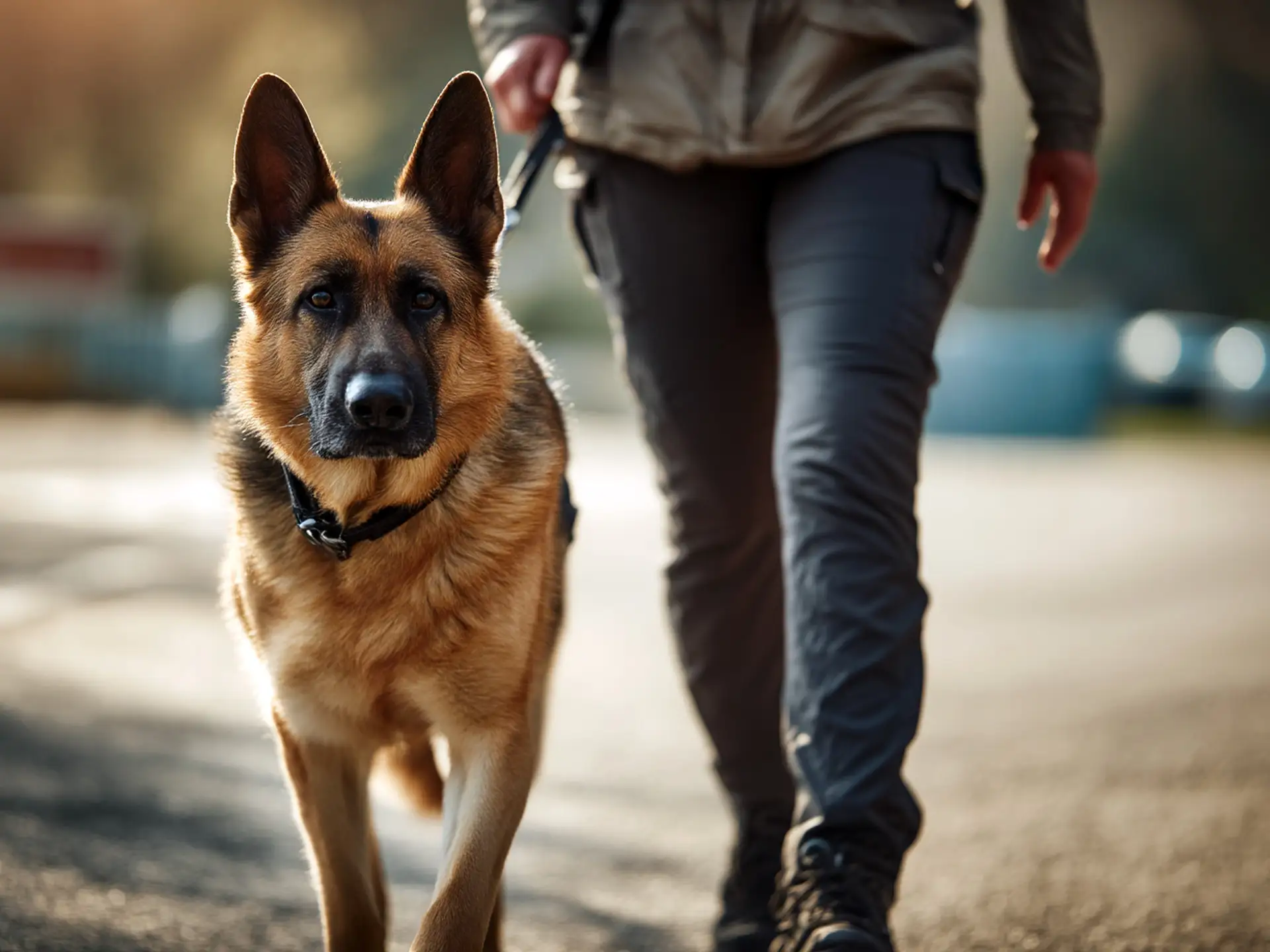
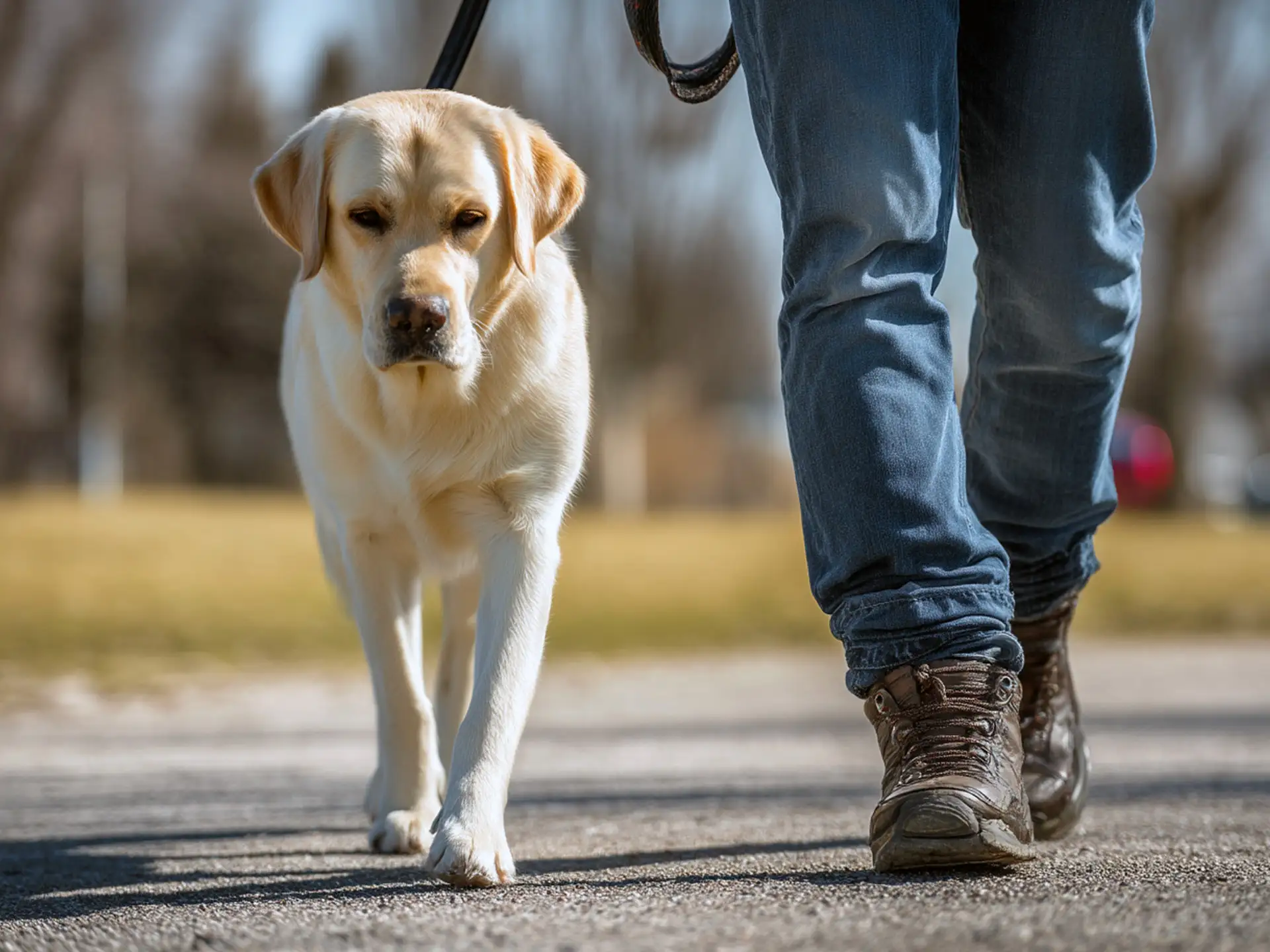
When your dog walks beside you with an easy rhythm, they are expressing trust. They are not racing ahead or dragging behind, and they do not need to test your direction. A dog that keeps an eye on you and adjusts their pace to yours shows respect for your leadership. This kind of harmony during walks is one of the most reliable signs your dog sees you as the alpha. It also reflects emotional balance. Dogs that pull, wander, or refuse to move often do so because they are unsure who sets the pace. Leadership does not mean forcing them to follow; it means being steady enough that they choose to.
2. Your Dog Waits Patiently for Your Signal
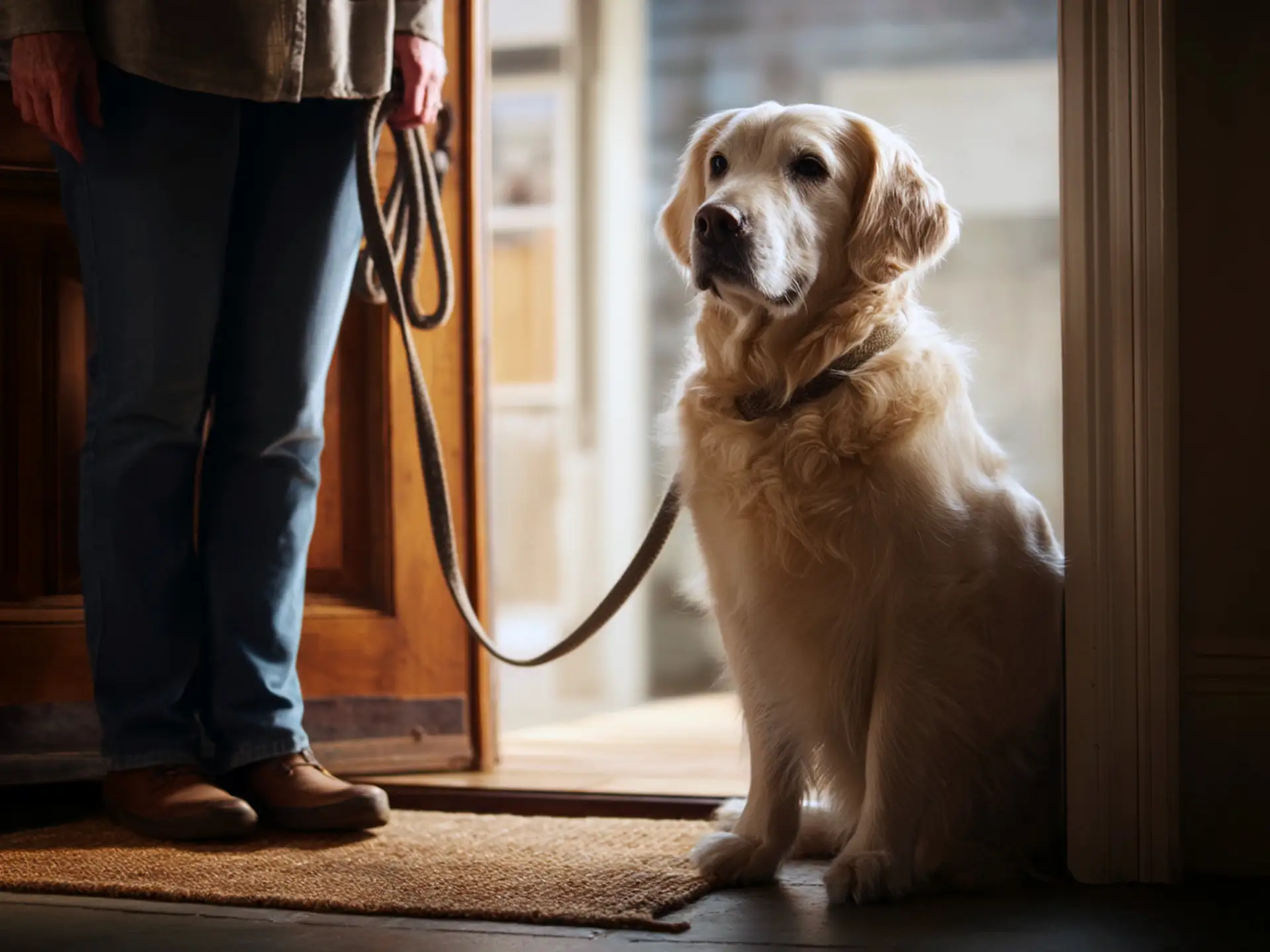
If your dog pauses before running out the door, looks at you before eating, or waits for permission to jump onto the couch, you are already communicating leadership. In canine social order, the leader decides when the group moves and who accesses important resources first. This is not about dominance; it is about trust and predictability. A dog that can stay still and wait for your cue understands that you are in charge and that good things happen when they follow your direction. Over time, this habit builds mutual respect and makes daily life calmer for both of you.
3. Your Dog Responds to Commands Without Tension or Fear
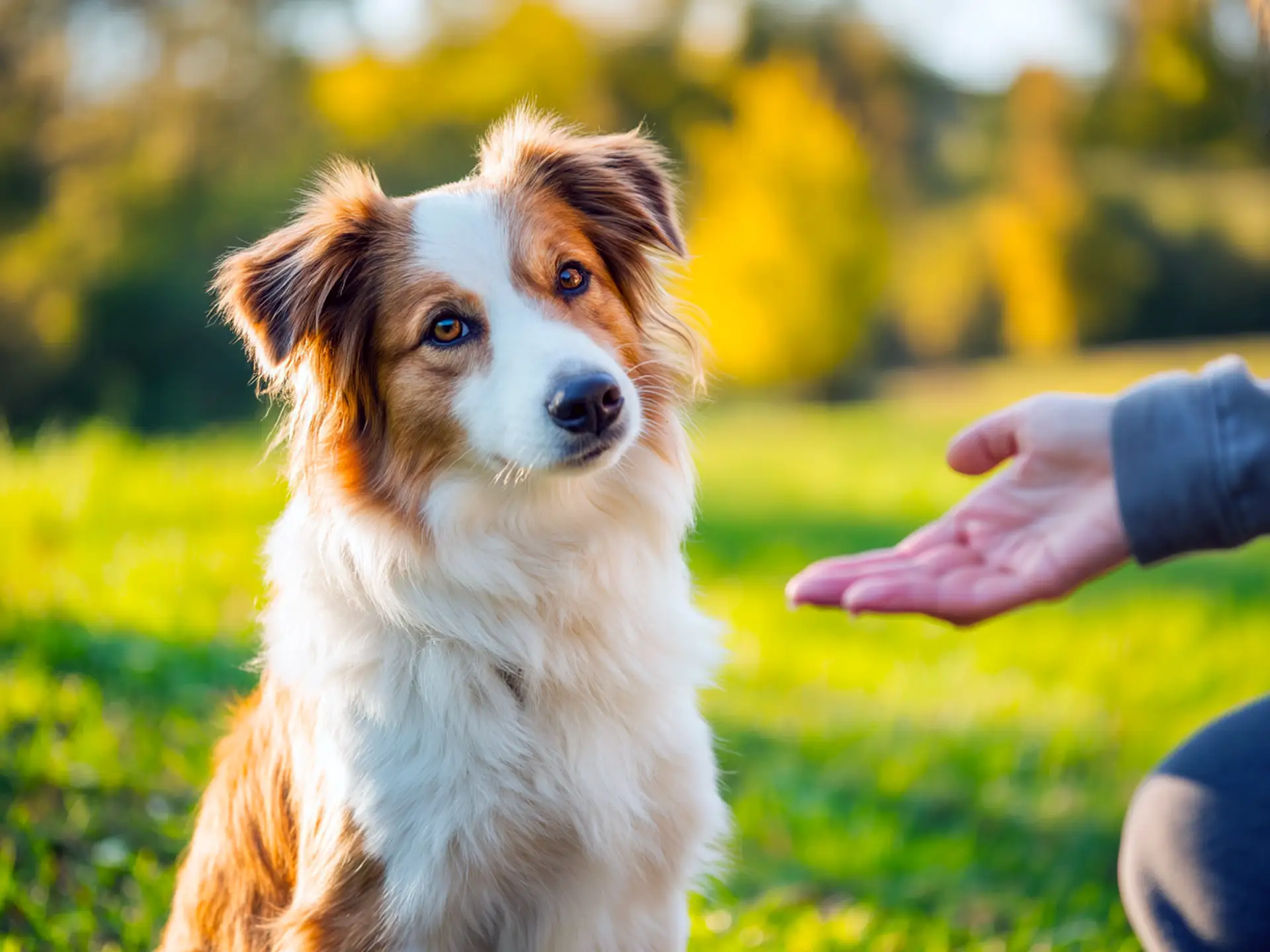
A dog that listens to your voice without hesitation or anxiety sees you as a confident, trustworthy leader. They obey not because they are afraid but because they understand your expectations. This is one of the strongest signs your dog sees you as pack leader, and it grows out of consistency and positive reinforcement. If your dog often ignores commands or reacts with frustration, it may mean they feel uncertain about your cues. Clear routines and calm correction help them rebuild confidence in your direction. When your dog trusts that you will guide them fairly, obedience becomes effortless.
4. Your Dog Regularly Checks In With You
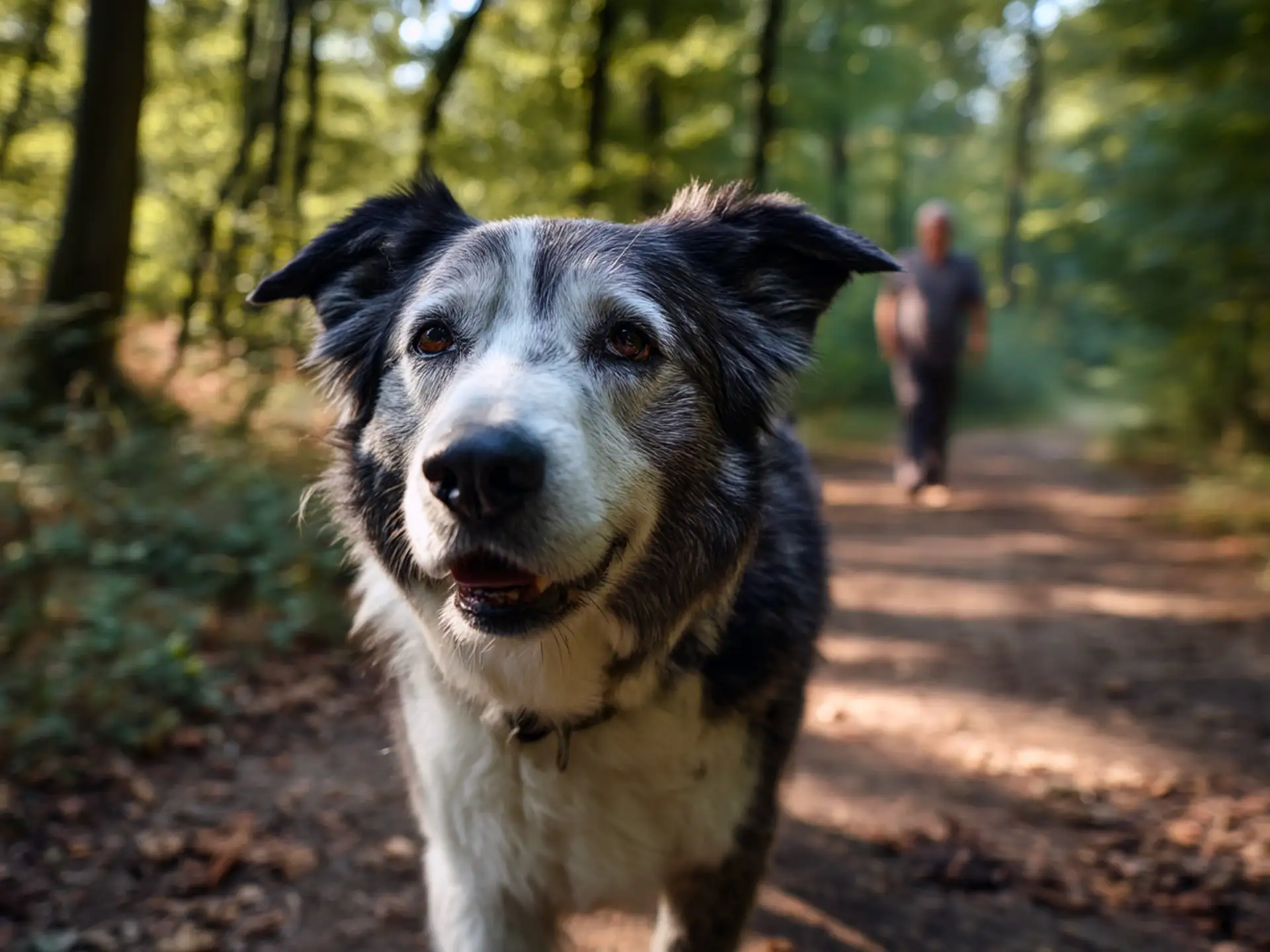
Dogs who respect their owners rarely make big decisions on their own. You will see them glance at you before greeting another dog, crossing a path, or exploring a new place. This quick eye contact is their way of asking, “Is this okay?” It shows that they recognize you as the one who leads and protects the group. A dog that never checks in may feel responsible for keeping everyone safe, which creates stress and reactivity. Reinforcing calm eye contact with gentle praise strengthens the bond and reminds your dog that you are always the steady center of their world.
5. Your Dog Moves Out of Your Way Without Being Told
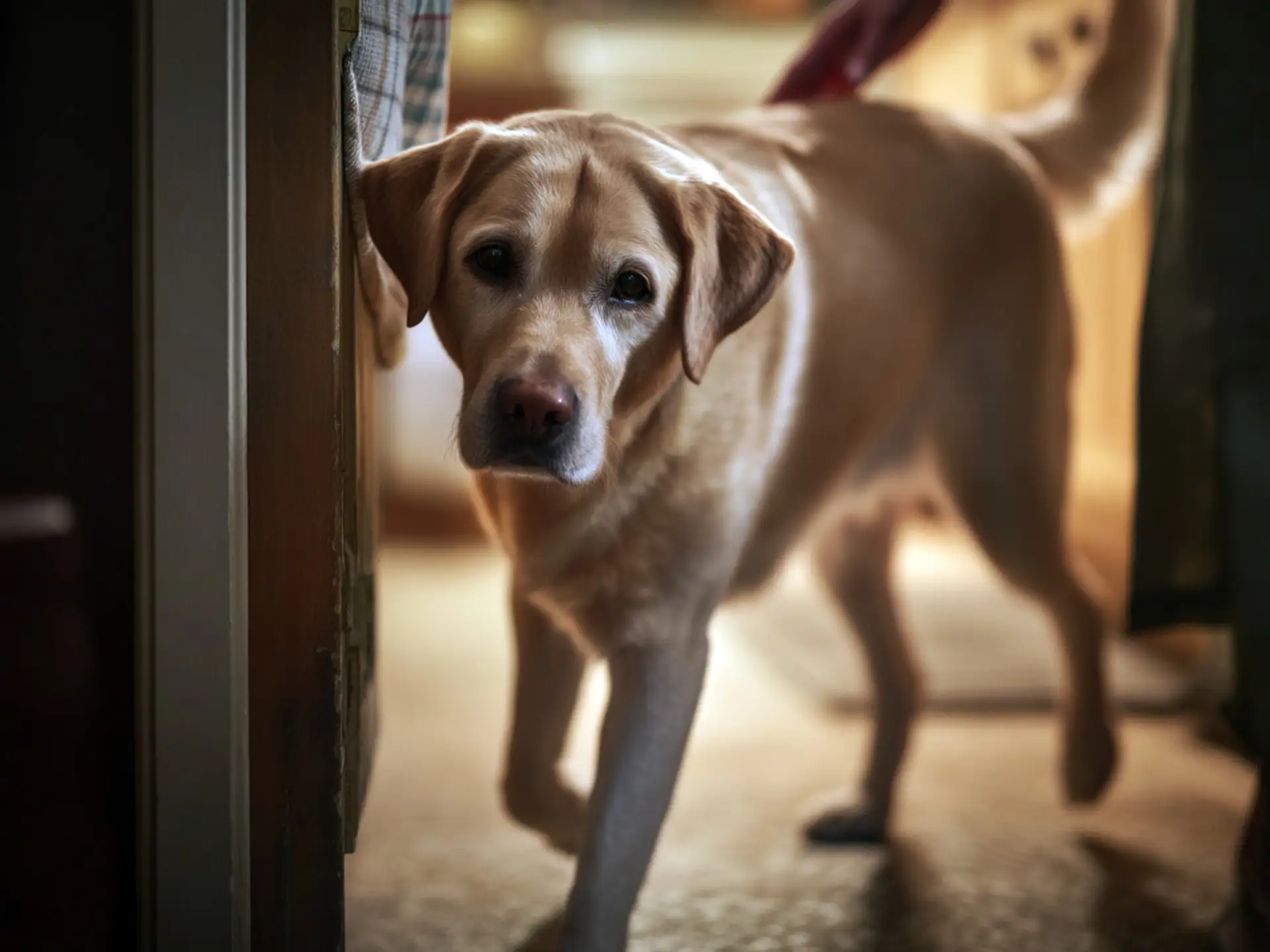
Respect can be seen in the smallest moments. When you walk toward your dog and they quietly step aside, they are acknowledging your leadership. In natural canine behavior, followers yield space to the leader as a sign of awareness and cooperation. It is not submission; it is trust. A dog that blocks your path or refuses to move may simply need clearer guidance about boundaries. By calmly claiming space and rewarding your dog when they yield, you reinforce healthy hierarchy and keep your relationship balanced.
6. Your Dog Greets You Calmly Instead of Jumping
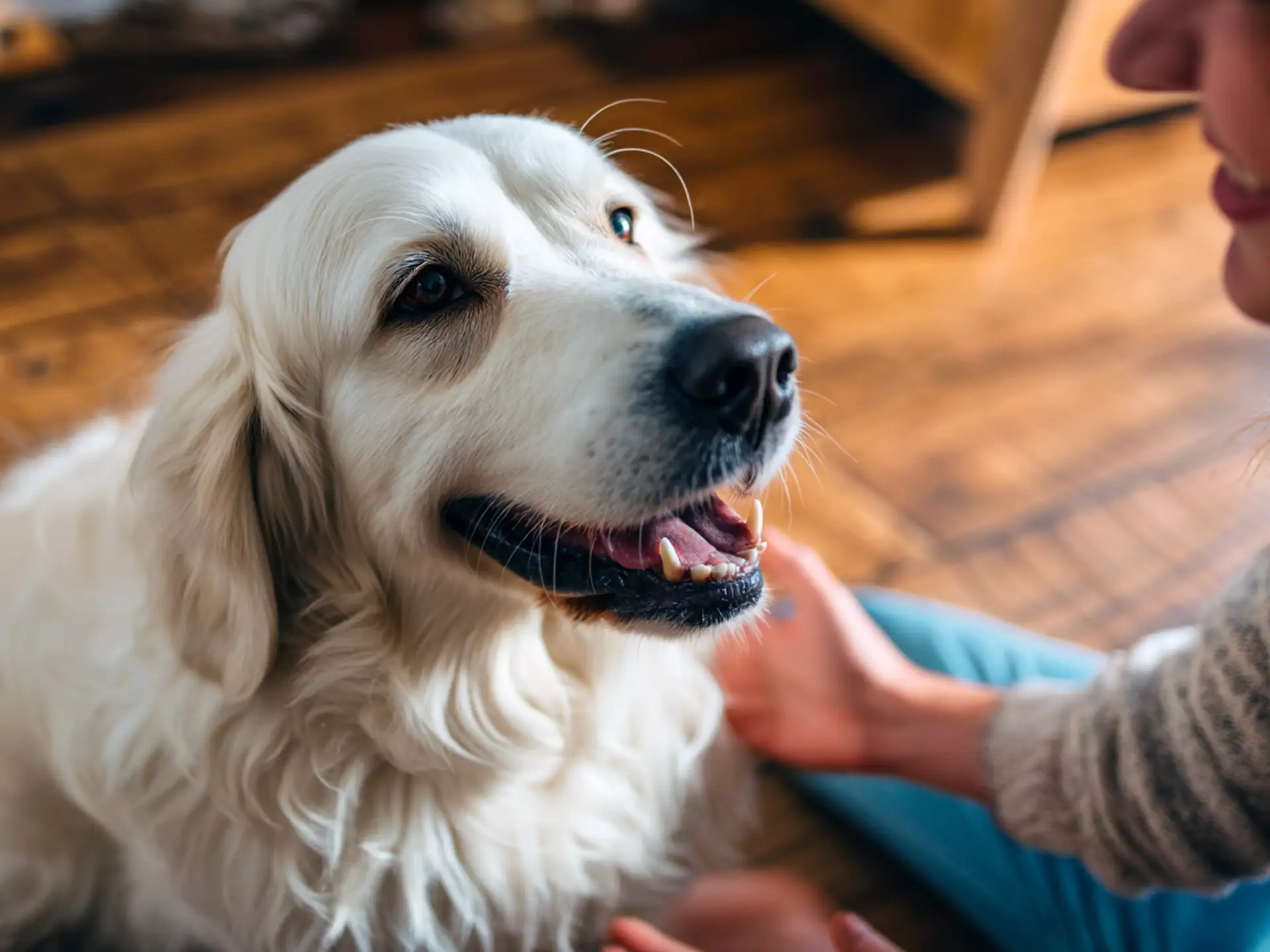
When a dog truly respects and trusts your leadership, their excitement stays balanced. Instead of leaping or pawing, they greet you with gentle tail wags, soft eyes, and controlled enthusiasm. This calm behavior shows that your dog feels secure and does not need to compete for attention. Dogs that jump or bark excessively often lack structure and use chaos to seek reassurance. Greeting rituals reflect emotional balance, and calm greetings are one of the clearest signs your dog sees you as the pack leader who provides stability and safety.
7. Your Dog Respects Personal Boundaries
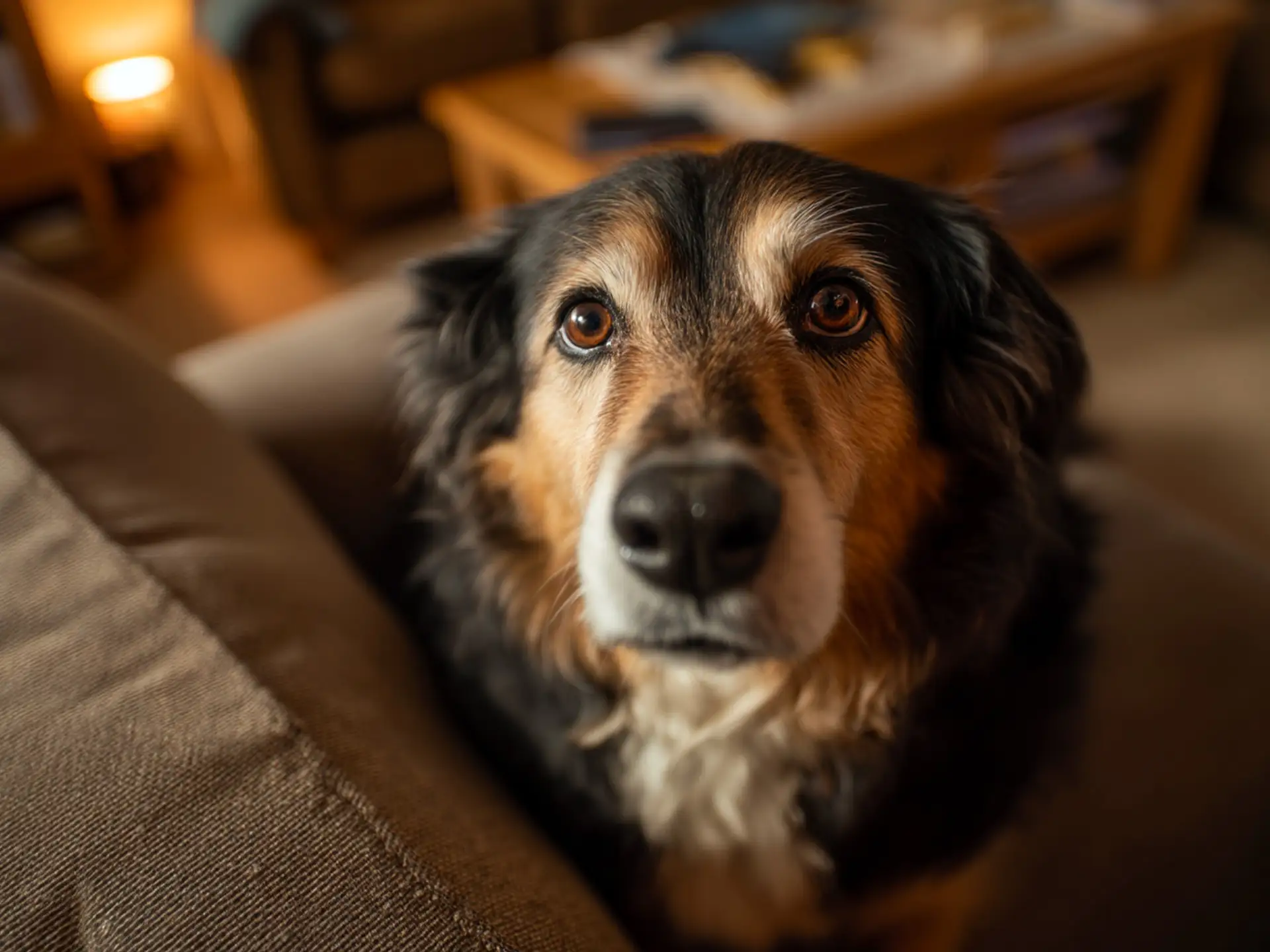
A respectful dog understands when to give space and when to seek affection. If your dog refrains from climbing into your lap without being invited or waits for your cue before joining you on furniture, it reflects healthy respect. This type of restraint is learned through consistent boundaries and reinforces your leadership role. Dogs that constantly invade personal space or demand attention may not yet recognize those boundaries, and gentle correction will help them feel secure within your structure.
8. Your Dog Does Not Guard Food or Toys From You
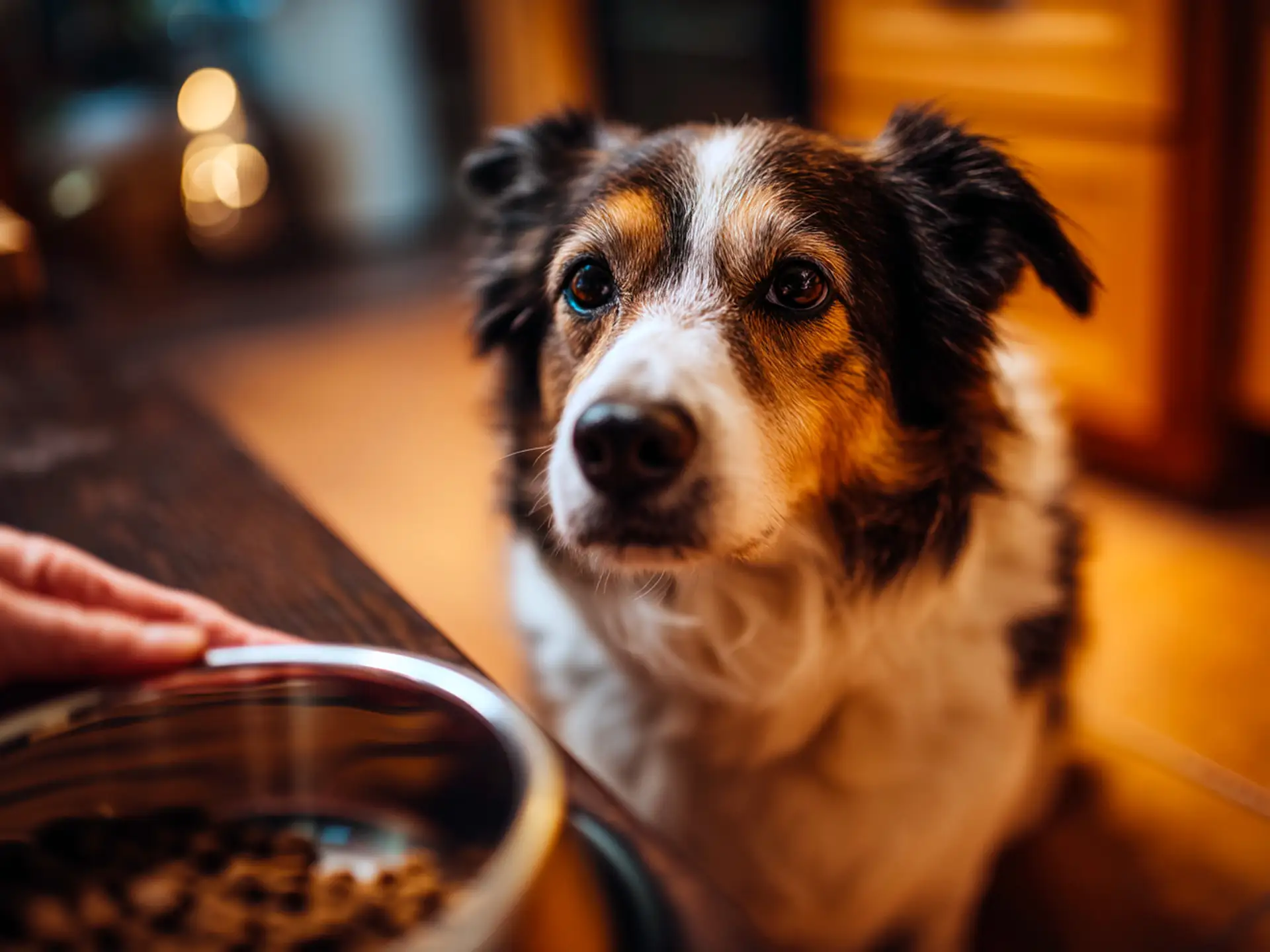
A dog that freely allows you near its bowl or toys shows deep trust and respect. They understand that resources are shared and that you control them calmly and fairly. Dogs that growl, stiffen, or hide possessions may feel insecure or uncertain about your role. Through consistent structure and positive handling, your dog learns that you will always provide what they need. Absence of guarding is one of the most meaningful signs your dog sees you as the alpha because it reflects complete confidence in your leadership.
9. Your Dog Accepts Gentle Correction and Moves On
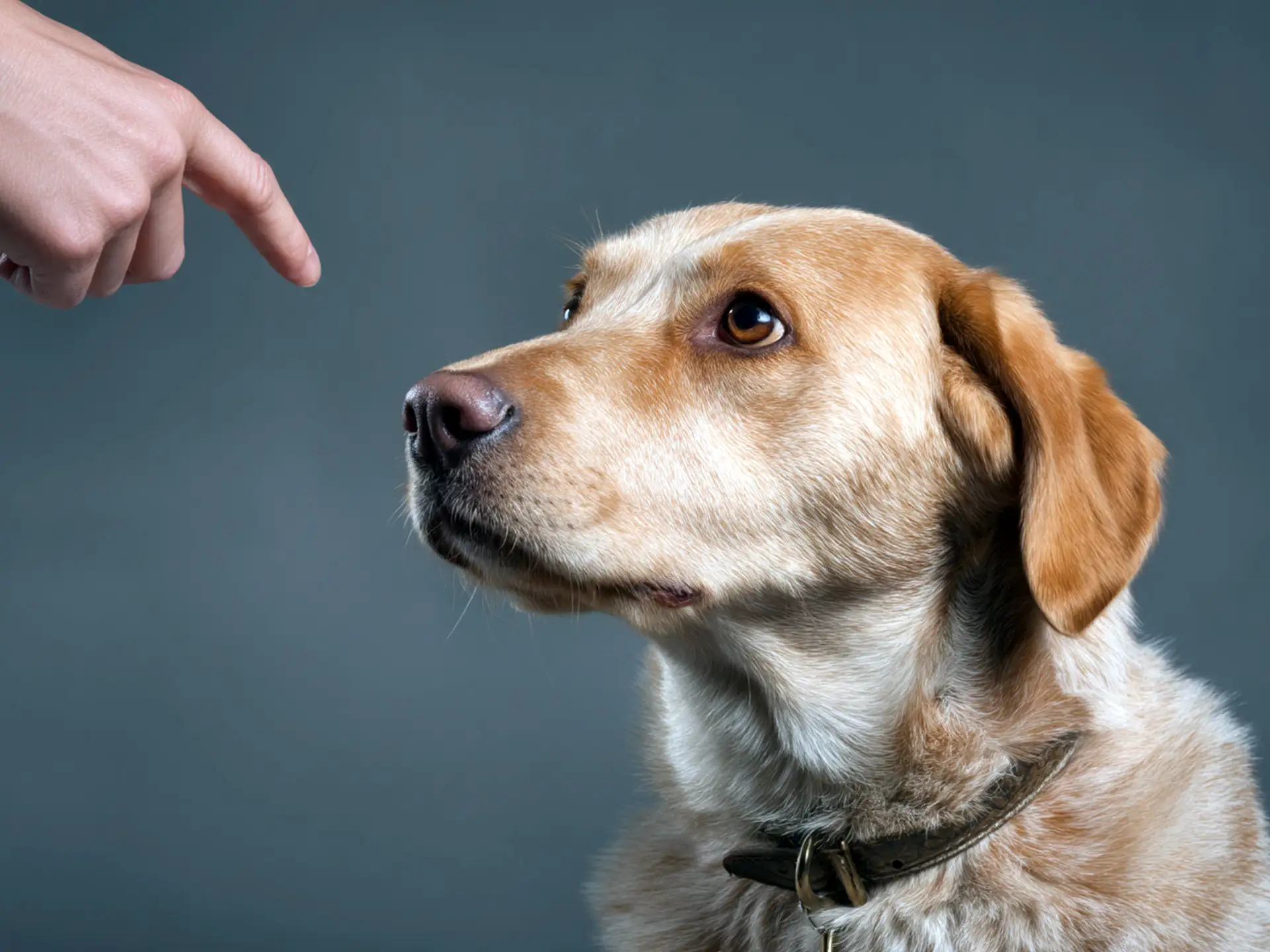
Leadership is not about harsh discipline. When your dog understands your role, a quiet verbal cue or hand gesture is enough to stop unwanted behavior. They acknowledge the correction and then return to calm focus. This balanced response shows emotional maturity and trust. A dog that argues, freezes, or hides after correction may not yet feel secure in the relationship. Respectful leadership helps them feel safe enough to adjust without fear.
10. Your Dog Watches You Before Reacting to the Environment
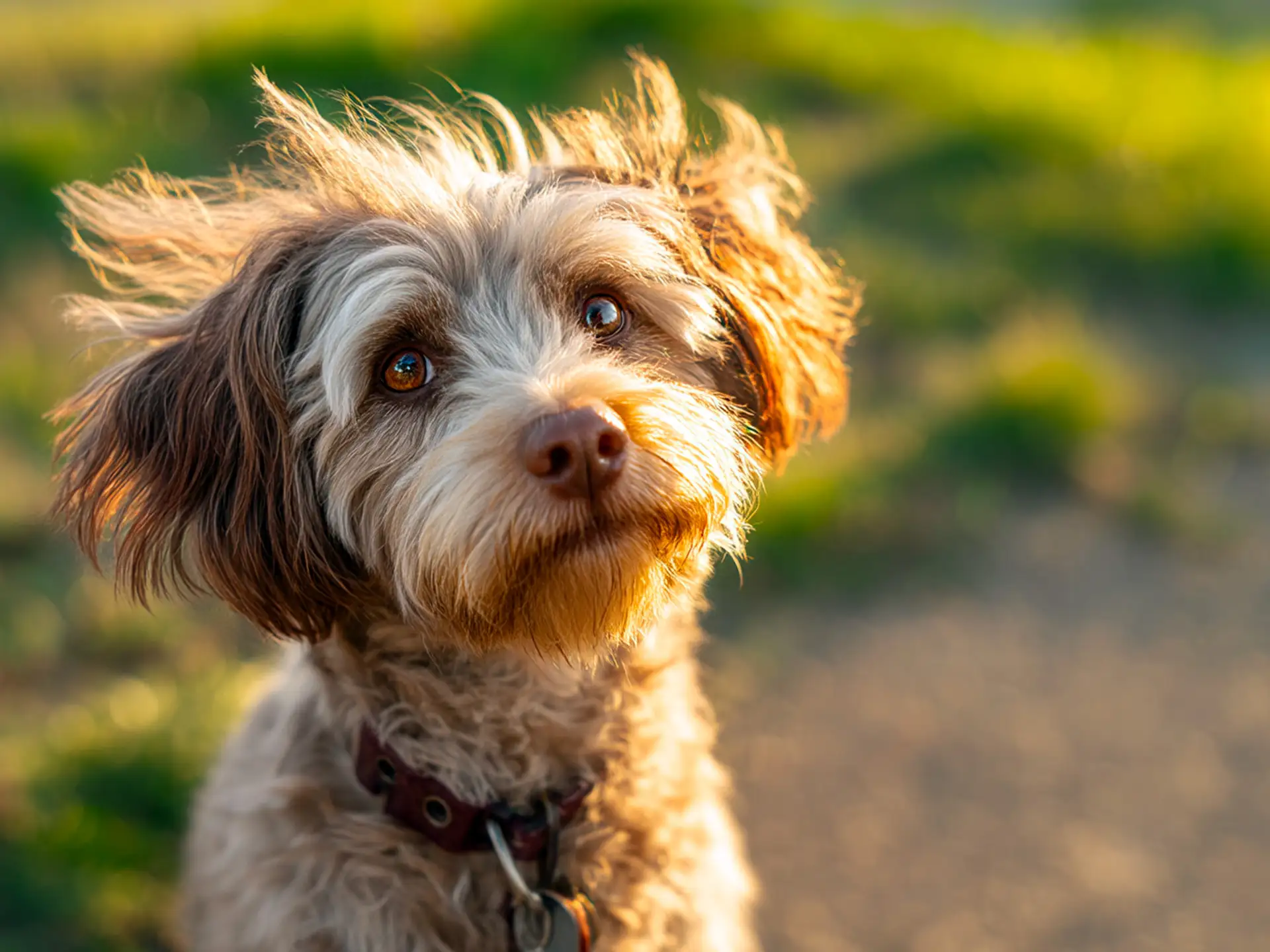
When another dog barks, a doorbell rings, or something moves suddenly, a dog that looks to you first is demonstrating true respect and confidence in your lead. They wait for your reaction before deciding how to respond. This behavior proves that you are the emotional anchor in their world. Dogs that instantly bark, chase, or panic are often taking charge because they believe no one else is managing the situation. Teaching your dog to check in with you creates harmony and reduces reactivity in every environment.
11. Your Dog Lets You Go First Through Doors and Pathways
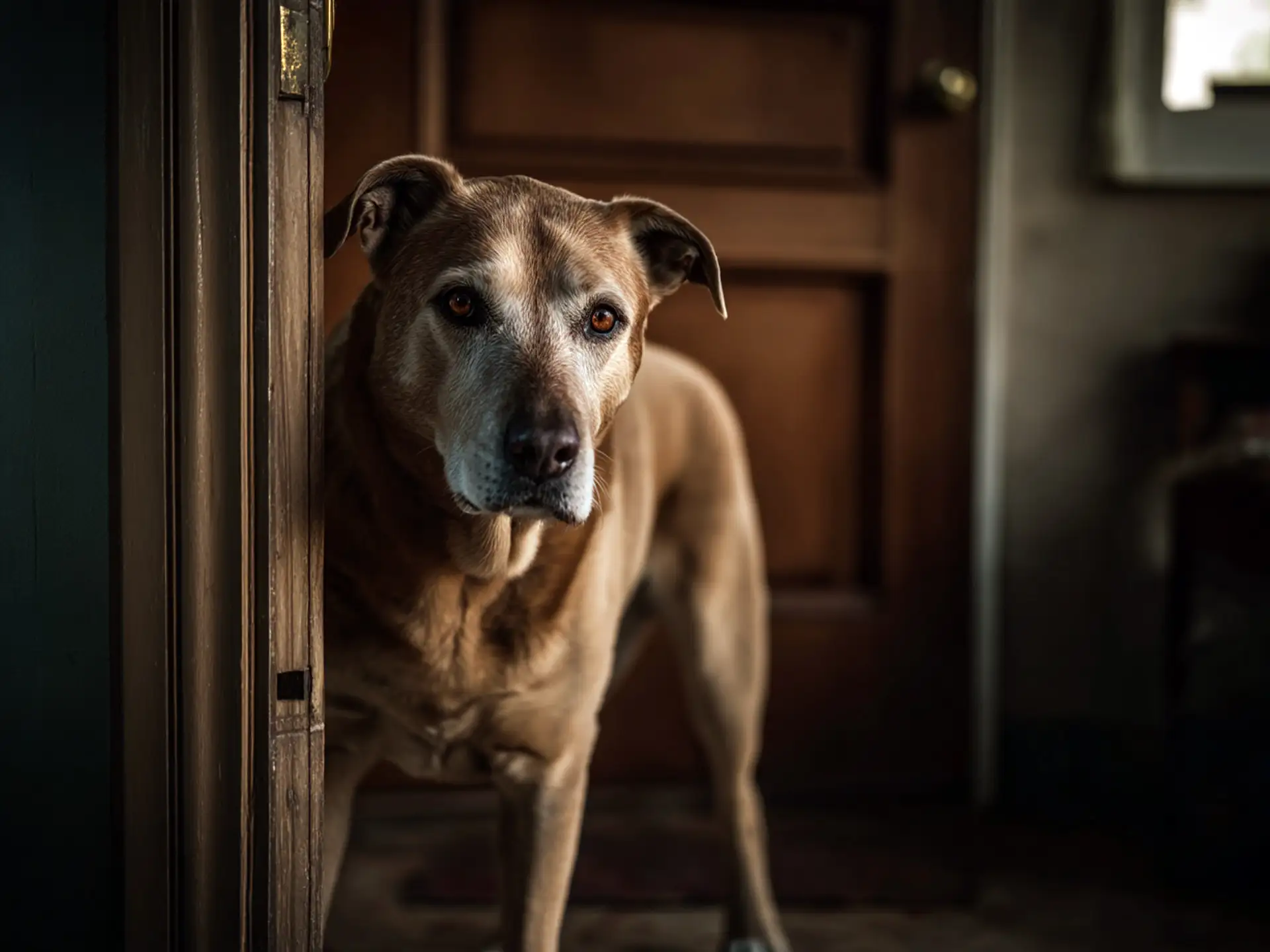
Dogs that see their owner as the leader naturally yield space and allow the human to pass first. This habit reflects instinctive social awareness rather than training alone. When you consistently lead through doors or narrow hallways, your dog learns that you decide when movement happens. Over time this quiet ritual strengthens trust and helps prevent impulsive behavior. Dogs that rush ahead often do so because they feel responsible for leading the group, a sign that structure is still developing.
12. Your Dog Seeks Direction in Unfamiliar Situations
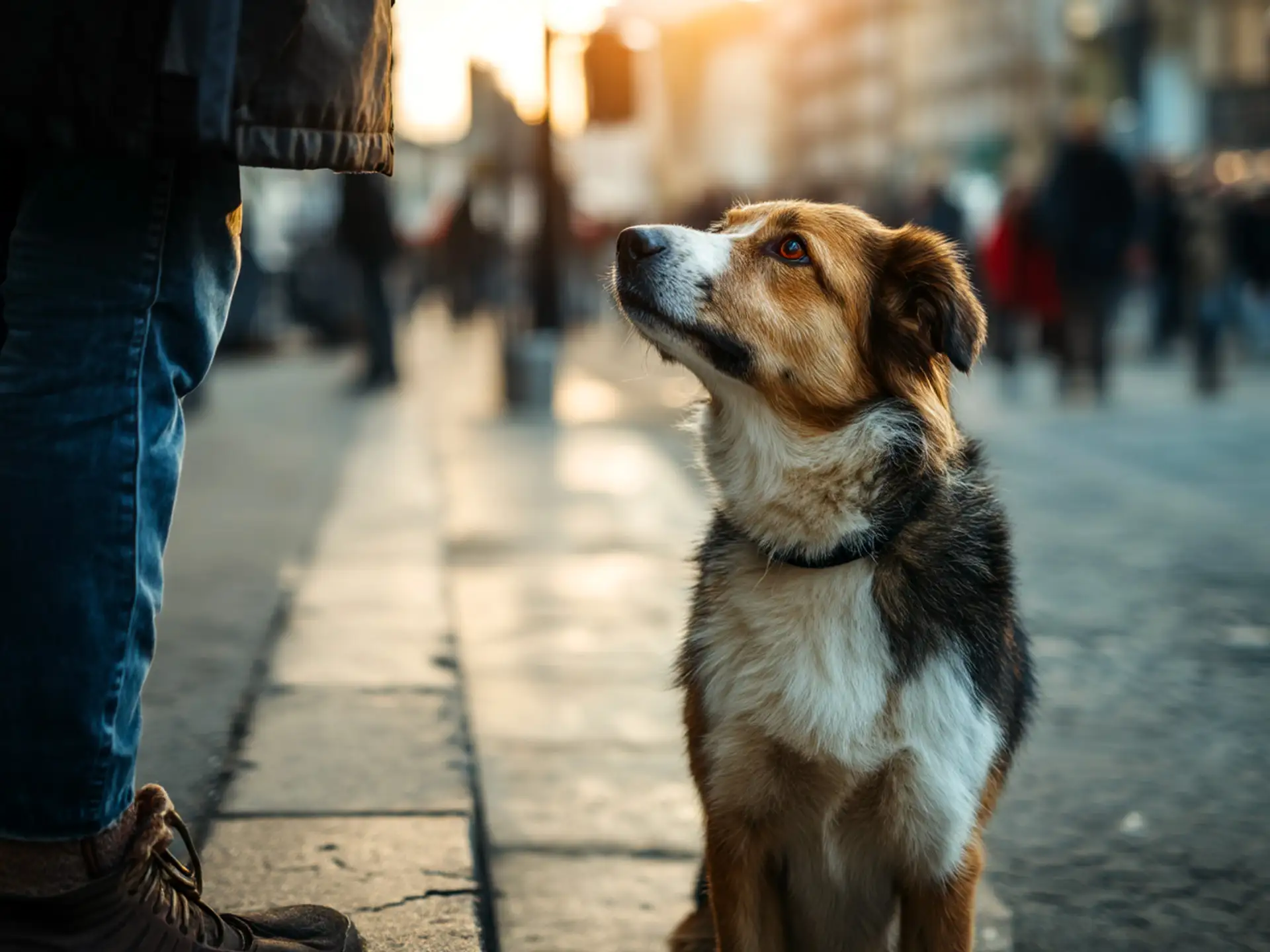
When faced with something new, a confident dog will glance at you for reassurance instead of reacting impulsively. This behavior shows emotional control and trust in your leadership. Whether it is meeting a stranger or hearing a loud sound, your dog looks for your signal to decide what happens next. That calm consultation proves that they view you as the one who handles uncertainty. Encourage it by keeping your posture relaxed and your voice steady, reinforcing that you are the source of safety and guidance.
13. Your Dog Shares Restful Energy Around You
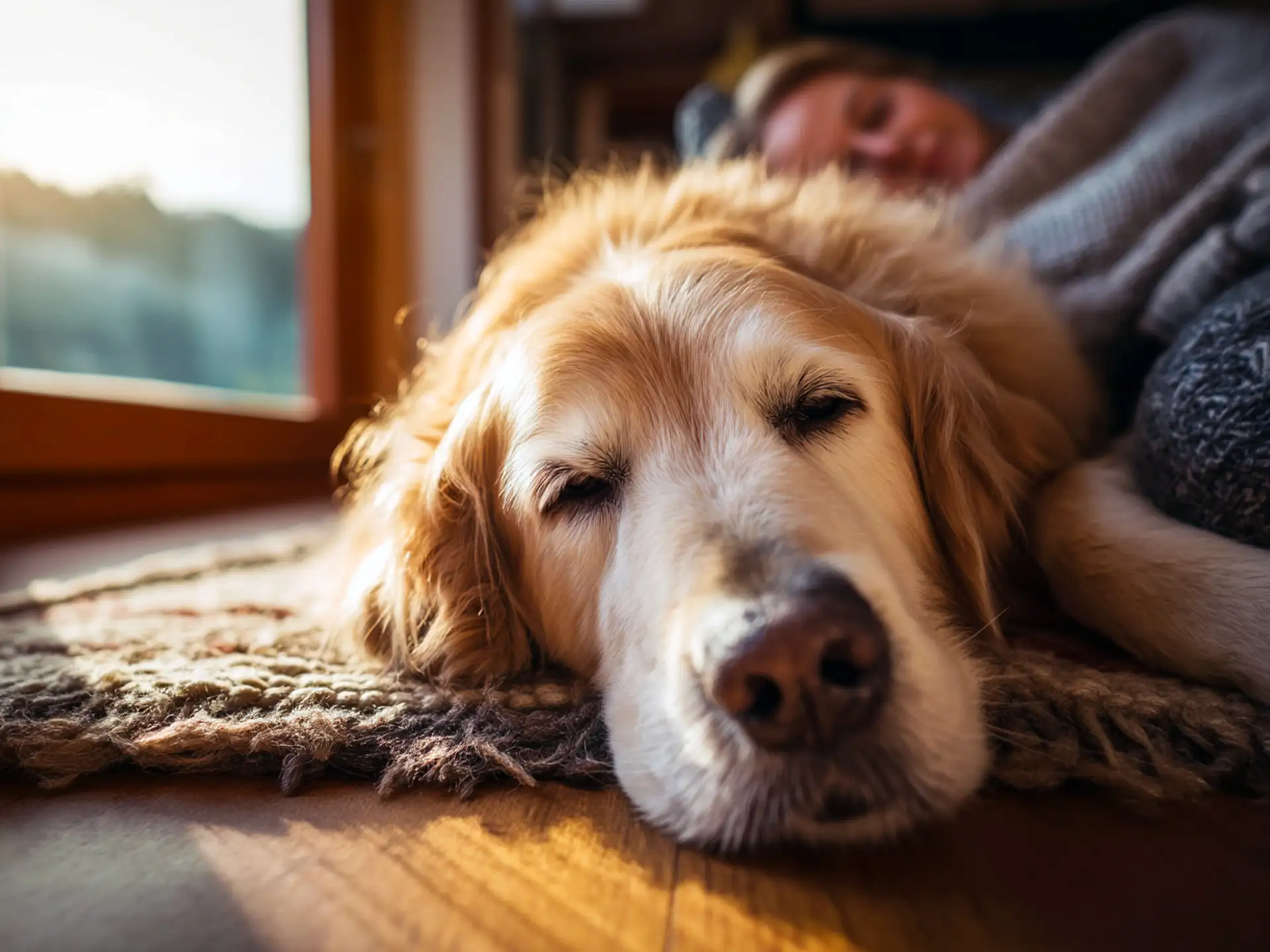
A dog that feels your steady leadership can relax completely in your presence. They nap near you, stretch out on their side, or quietly chew a toy without needing constant attention. This calm state reflects emotional safety and respect. When dogs remain restless, pace, or guard you excessively, it often means they still feel responsible for control. Shared stillness is one of the most underrated signs your dog sees you as the alpha because it proves deep mutual comfort.
14. Your Dog Defers Leadership to You Around Other Dogs
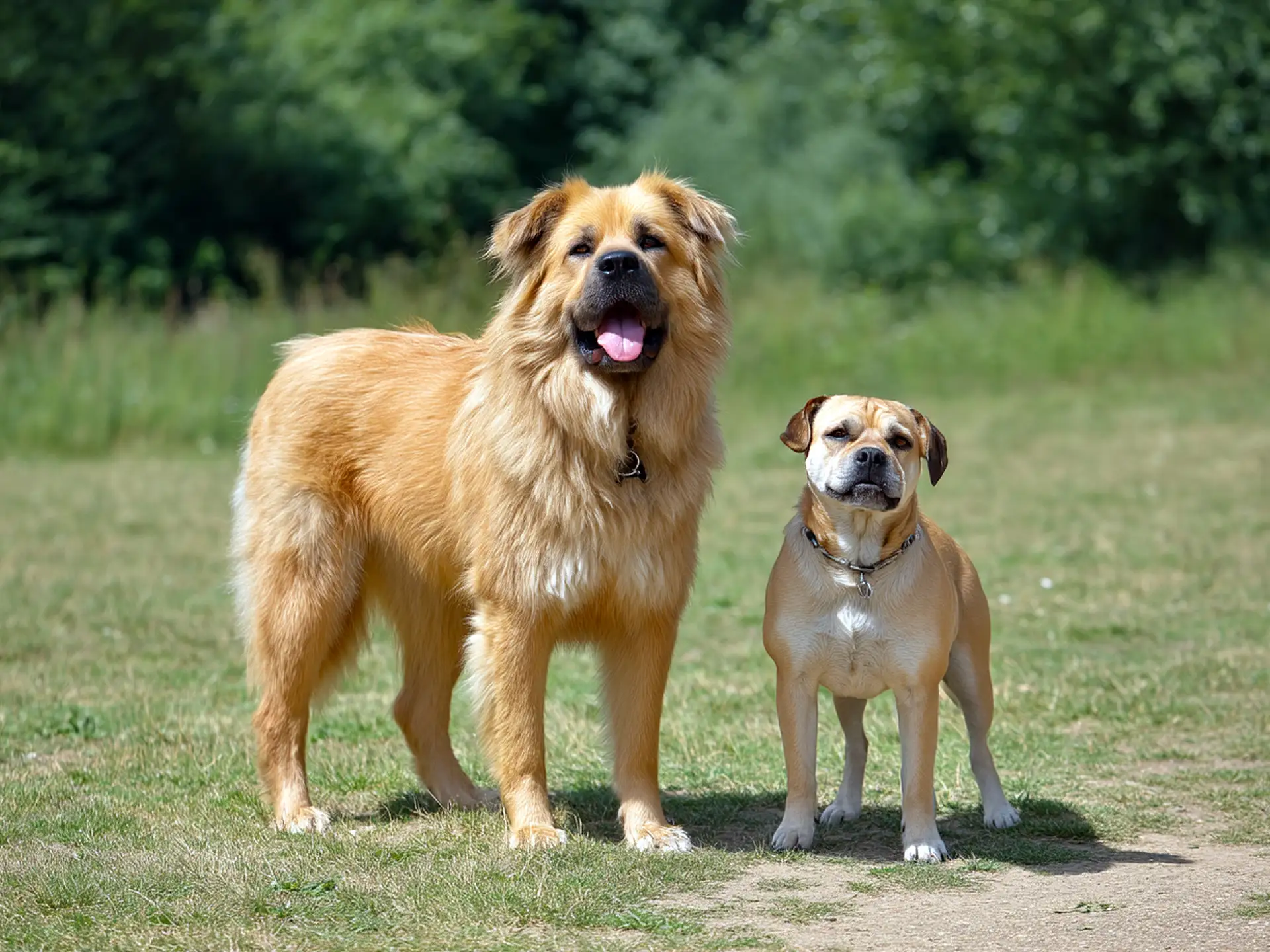
In multi-dog households or during social walks, true respect becomes visible when your dog looks to you before engaging with others. They may allow you to initiate playtime or approach introductions more carefully because they understand you control social decisions. Dogs that push forward or interrupt interactions are often trying to manage the group themselves. Guiding calmly and consistently teaches them to defer leadership, reinforcing that you are the steady point of reference even among peers.
15. Your Dog Recovers Quickly After Correction or Stress
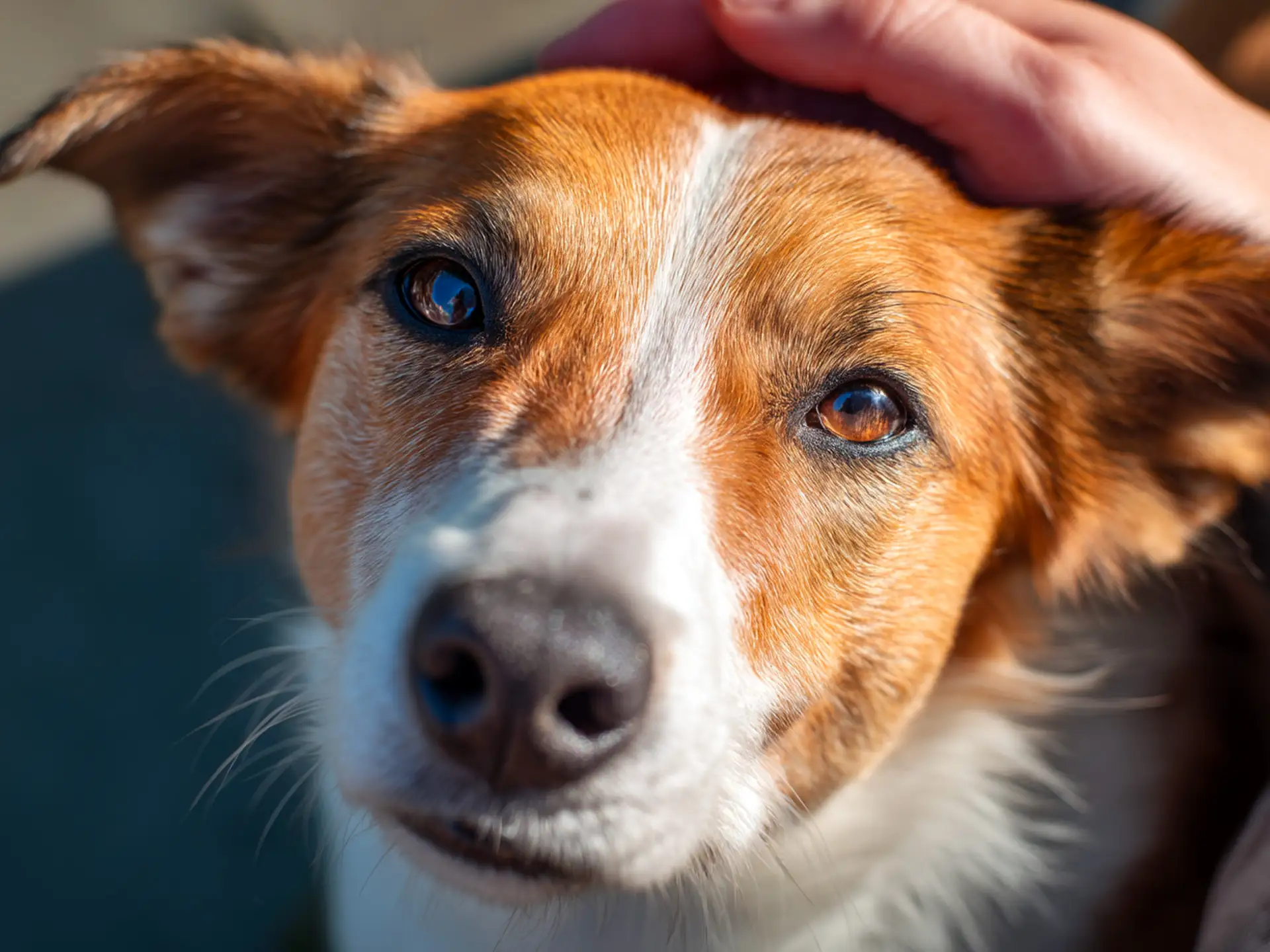
Resilience is a mark of strong trust. When your dog makes a mistake and you correct it gently, they shake it off, refocus, and continue following your lead. There is no sulking or fear because they know your corrections are fair. This recovery speed shows a secure emotional bond where your dog truly respects and believes in you as the leader. Dogs that remain anxious or avoidant after discipline may still associate your reactions with uncertainty. Calm, consistent communication helps build this confident resilience over time.
What to Do If Your Dog Doesn’t See You as Leader
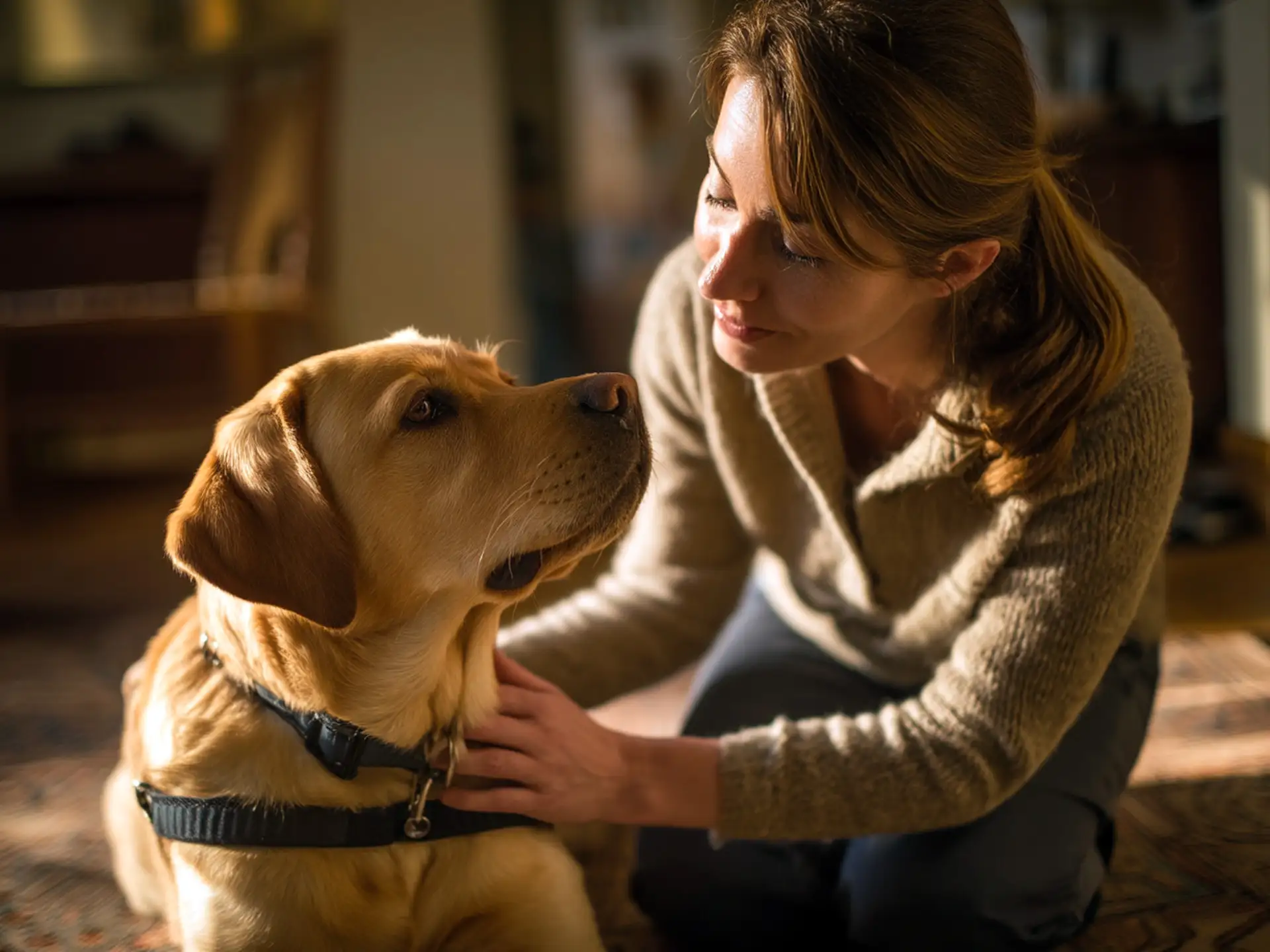
When your dog ignores commands, pulls ahead on walks, or gets anxious when guests arrive, they may not fully recognize you as the leader yet. That is not defiance. It is confusion. Dogs crave structure. Once you provide it calmly and consistently, they quickly relax and follow your guidance.
Lead With Calm Confidence
Dogs read energy before words. When you move through routines with quiet assurance, they mirror that composure. Leadership begins in small moments such as putting on the leash, serving meals, or answering the door. If you hesitate or sound uncertain, your dog fills the gap by taking control.
Pro Tip:
Before giving a command, pause, breathe, and use a steady tone. Calm energy communicates authority better than volume ever could.
Build Respect Through Routine
Predictable routines tell your dog that you manage time, resources, and safety, which are all key traits of a leader. Repetition creates security and reduces testing behaviors.
| Daily Routine | Why It Builds Trust | Example |
|---|---|---|
| Feeding | Prevents anxiety and food guarding | Dog waits for your signal before eating |
| Walks | Reinforces direction and pace | You exit first, dog follows calmly |
| Playtime | Clarifies leadership through control | You start and end games on your terms |
| Rest | Encourages emotional balance | Quiet time follows every burst of energy |
When your dog knows what to expect, they stop competing for control and begin to relax into your rhythm.
Reward Calm, Not Demands
Dogs that paw, whine, or push for attention are testing how predictable your responses are. Give affection only when they’re calm, not when they demand it. This teaches emotional control and reinforces that your focus is earned through patience.
Try This:
Wait until your dog settles before giving attention. A few seconds of calm silence is all it takes for them to understand that stillness brings reward.
Stay Consistent With Rules
Consistency creates clarity. If your dog is allowed on the couch one day and scolded for it the next, they’ll never know what you expect. Once you set a rule, stick to it and ensure everyone in the household does the same.
Example:
If your rule is “no jumping on guests,” teach visitors to ignore the dog until all four paws are on the ground. Dogs learn fastest when every human follows the same boundaries.
Practice Controlled Freedom
Leadership is not about restriction. It is about guided freedom. Give your dog space to explore, but make sure every privilege begins and ends with you. During off leash walks, recall your dog occasionally, reward them, and then release them again. This builds trust while keeping control.
Leadership Equation:
Freedom + Structure = Trust
Trust + Consistency = Respect
When your dog understands that freedom flows through you, they automatically check in before acting.
Correct Calmly and Move On
Avoid old-fashioned dominance techniques such as alpha rolls or forced submission. These create fear, not respect. Instead, correct with calm tone and steady posture, then reward the right behavior. Your dog learns that you are predictable, fair, and worth following.
Quick Recap
| If Your Dog… | Do This Instead |
|---|---|
| Pulls on leash | Stop, breathe, change direction silently |
| Ignores commands | Simplify cues, reward first response |
| Jumps for attention | Turn away, reward only calm behavior |
| Rushes through doors | Ask for sit, open only when they wait |
| Guards toys or food | Trade calmly, never grab, praise relaxation |
When your actions stay steady, your dog stops guessing and starts trusting. Respect grows from calm repetition, not control. Once that foundation is set, your dog will look to you naturally, the way every confident follower looks to their leader.
Common Myths About Alpha Dogs
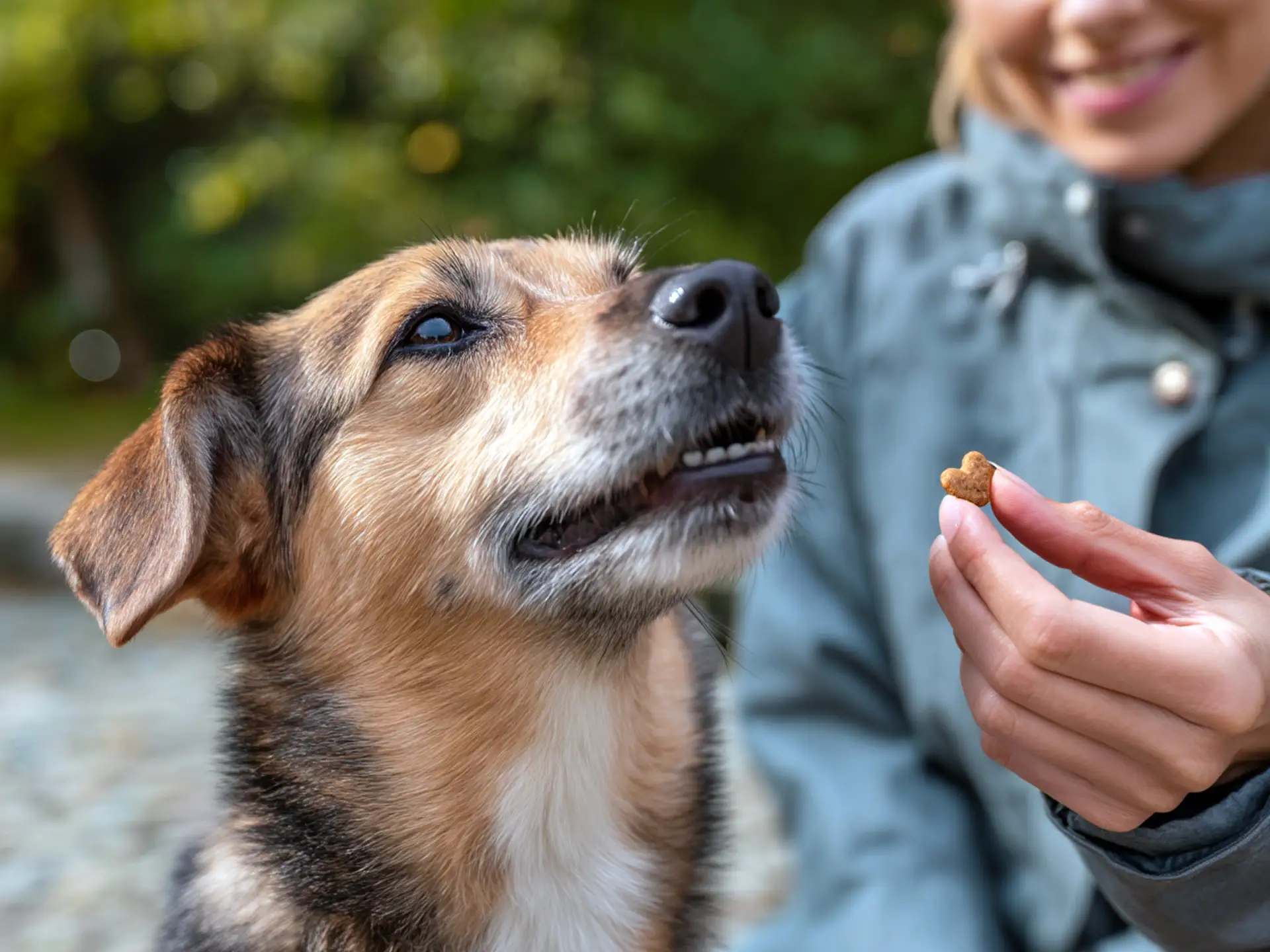
The word “alpha” is one of the most misunderstood terms in the dog world. Many owners still believe that being a leader means showing dominance or control through force. In reality, modern canine science paints a very different picture. True leadership is not about overpowering your dog. It is about earning trust and providing clear, calm direction.
Below are the most persistent myths about alpha behavior and the real facts behind them.
| Myth | Fact |
|---|---|
| 1. You must dominate your dog to gain respect. | Respect comes from calm consistency, not intimidation. Dogs follow humans who guide with confidence and predictability. Physical dominance only creates fear and damages trust. |
| 2. The alpha eats first, walks first, and never shows affection. | Leaders control resources, but not through harshness. You can still pet, play, and share affection while maintaining structure. Boundaries matter more than cold behavior. |
| 3. Dogs are like wolves and live in strict dominance hierarchies. | Modern research disproves this. Wolves in the wild live in family units led by parents, not dominant alphas. Domestic dogs rely on humans for leadership and safety, not competition. |
| 4. If your dog misbehaves, they are trying to “take over.” | Most unwanted behaviors come from confusion, stress, or lack of structure — not ambition. A dog that jumps, chews, or ignores commands is usually seeking guidance, not power. |
| 5. “Alpha rolls” and forced submission build respect. | These outdated methods cause anxiety and can trigger aggression. Positive reinforcement and gentle corrections build lasting respect and emotional security. |
Why the Alpha Myth Persists
The dominance model became popular in the mid-20th century, when early wolf studies suggested strict hierarchies. Those studies observed unrelated wolves in captivity, not natural family packs. Later research showed that wild wolves live in cooperative family units where parents lead through example, not aggression. According to Scientific American, the “alpha wolf” concept is a myth based on outdated research.
Despite this, old-school training philosophies spread the idea that dogs needed to be “put in their place.” These outdated beliefs still influence modern culture, as TV shows and viral videos often dramatize dominance for entertainment, giving owners the wrong impression about what effective leadership really looks like.
The Modern Meaning of Leadership
True pack leadership today means setting clear expectations, maintaining routines, and communicating with calm energy. It also means meeting your dog’s physical and emotional needs such as exercise, play, mental stimulation, and rest. Dogs led with fairness and patience naturally defer to their owner’s decisions because they feel safe doing so.
Modern leadership principles:
- Be consistent, not controlling.
- Guide through calm correction, not force.
- Reward cooperation, not submission.
- Model emotional balance during stress.
- Make safety and trust your top priorities.
When leadership feels safe, respect follows automatically. Your dog does not obey because they fear punishment. They follow because your steadiness makes the world predictable and secure.
When to Seek Professional Help
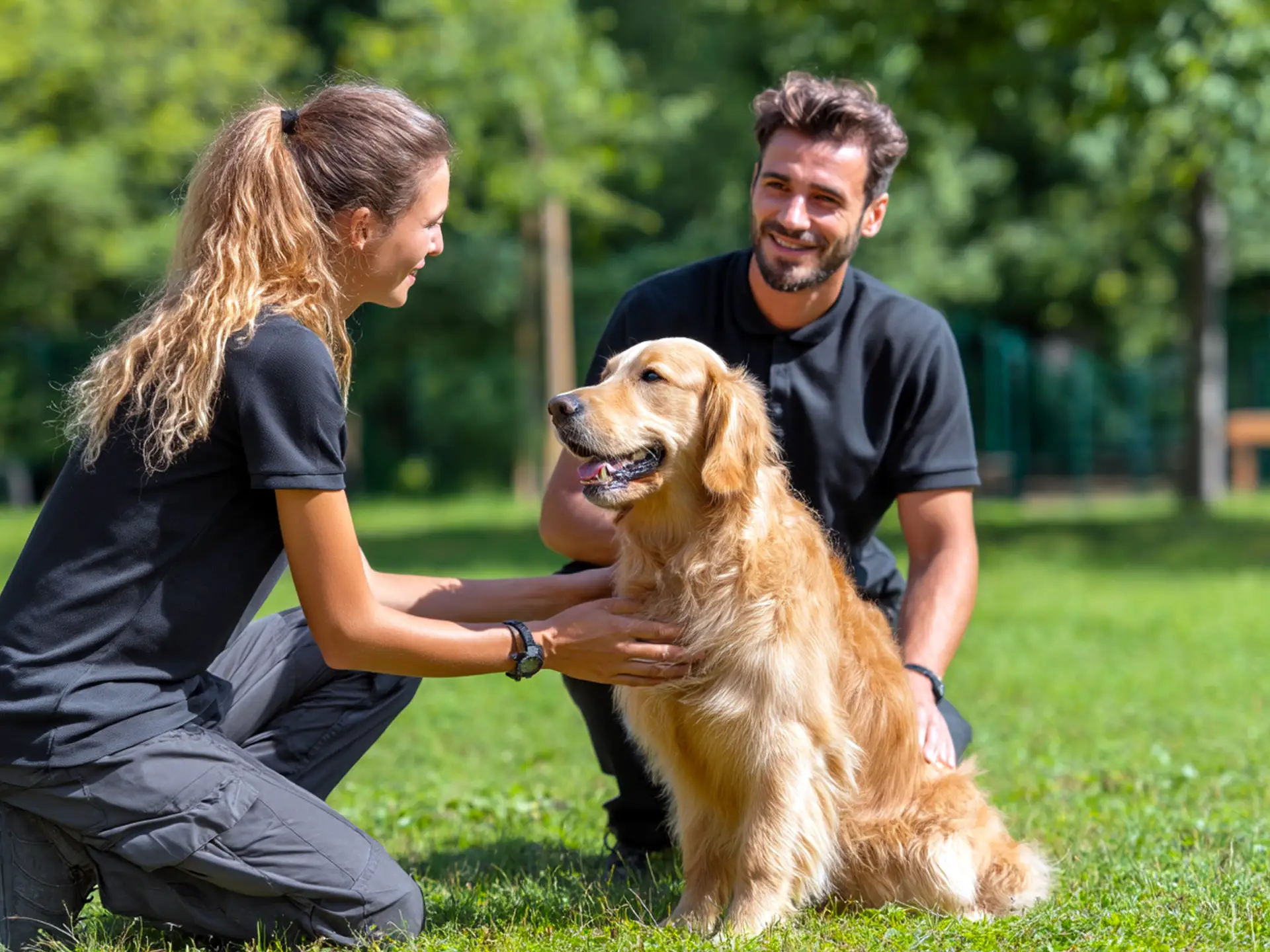
Sometimes guidance from an expert is the fastest way to rebuild respect and balance. If your dog’s behavior feels unsafe, confusing, or unmanageable, a professional can help restore calm structure for both of you.
When It’s Time to Call a Trainer
Seek help if you notice:
- Aggression or resource guarding
- Fearful or anxious reactions to correction
- Persistent disobedience despite consistent training
- Intense barking, lunging, or leash pulling
- Ongoing separation anxiety or destructive habits
These signs usually mean your dog feels insecure, not defiant. A certified trainer can teach you to correct that dynamic safely.
Choosing the Right Expert
| Type | What They Do |
|---|---|
| Dog Trainer | Teaches manners, recall, leash control using positive methods |
| Behavior Consultant | Handles anxiety, fear, or social conflict |
| Veterinary Behaviorist | Addresses aggression or medical causes of behavior |
Look for professionals certified by CPDT-KA, KPA, or IAABC. Avoid anyone who relies on fear, shock tools, or “alpha rolls.”
Before Your First Session
Bring short videos of problem behavior, write a list of triggers, and note your dog’s daily routine. Preparation gives the trainer a clear picture and shortens the learning curve.
Bottom Line
Getting help is not admitting failure. It shows strong leadership, the willingness to learn, adapt, and provide the calm direction your dog truly needs.
Building a Respectful Bond With Your Dog
Leadership is not about control. It is about clarity, consistency, and calm energy that makes your dog feel safe. When you set boundaries and follow through with fairness, your dog naturally begins to trust and respect you. That trust becomes the quiet language that guides every moment you share.
A dog that sees you as the alpha or pack leader does not obey out of fear. They follow because your actions make the world predictable. You set the pace, manage the energy, and bring peace to every situation. Respect is earned in the small daily choices such as waiting for a cue, walking calmly beside you, or relaxing when you do.
The goal is not to dominate but to lead through connection. When your dog feels secure under your guidance, training stops being a chore and becomes cooperation. You are no longer giving orders; you are communicating.
If you ever feel stuck, remember that leadership is learned just like obedience. Each calm command, each consistent rule, and each moment of patience strengthens your bond. Over time, your dog will mirror your balance and look to you not as a boss, but as a trusted partner.
Frequently Asked Questions
How do I know if my dog sees me as the alpha?
Your dog sees you as the alpha when they follow your lead calmly, obey commands without tension, and respect your space. They check in during walks, wait for cues, and trust your direction. True leadership shows through calm behavior, not fear or dominance.
What are signs your dog doesn’t respect you?
Common signs your dog doesn’t respect you include ignoring commands, pulling on walks, jumping on guests, or guarding toys and food. These behaviors show confusion, not rebellion. Clear rules, consistent training, and calm correction help rebuild trust and structure.
Can you be the pack leader without being dominant?
Yes. Being a pack leader means setting routines and communicating with calm confidence, not controlling through force. Dogs respect owners who guide gently, reward good behavior, and provide structure. Dominance creates fear, while balanced leadership builds lasting trust and cooperation.
How long does it take for a dog to see you as the leader?
It can take a few weeks to a few months for a dog to see you as their leader, depending on age, history, and consistency. Stay patient, follow routines, and use positive reinforcement. Dogs trust calm, predictable humans who make every situation feel safe.
Is the alpha concept outdated in dog training?
The word alpha is outdated when used to justify dominance. Modern training focuses on trust and cooperation instead of control. Dogs follow humans who create stability, not fear. Leadership today means calm confidence, structure, and kindness — the qualities every dog instinctively respects.